Some listings close in thirty days. You price it right, prep it well, and the offers come in before you've even caught your breath. Estate sales are not those listings.
Estate sales are the ones where the timeline stretches across months or years. Where there's probate to navigate, family decisions to sort through, and a house full of someone's entire life that needs to be handled with care before you can even think about listing. They're emotionally heavy, logistically complicated, and absolutely not something every agent knows how to handle.
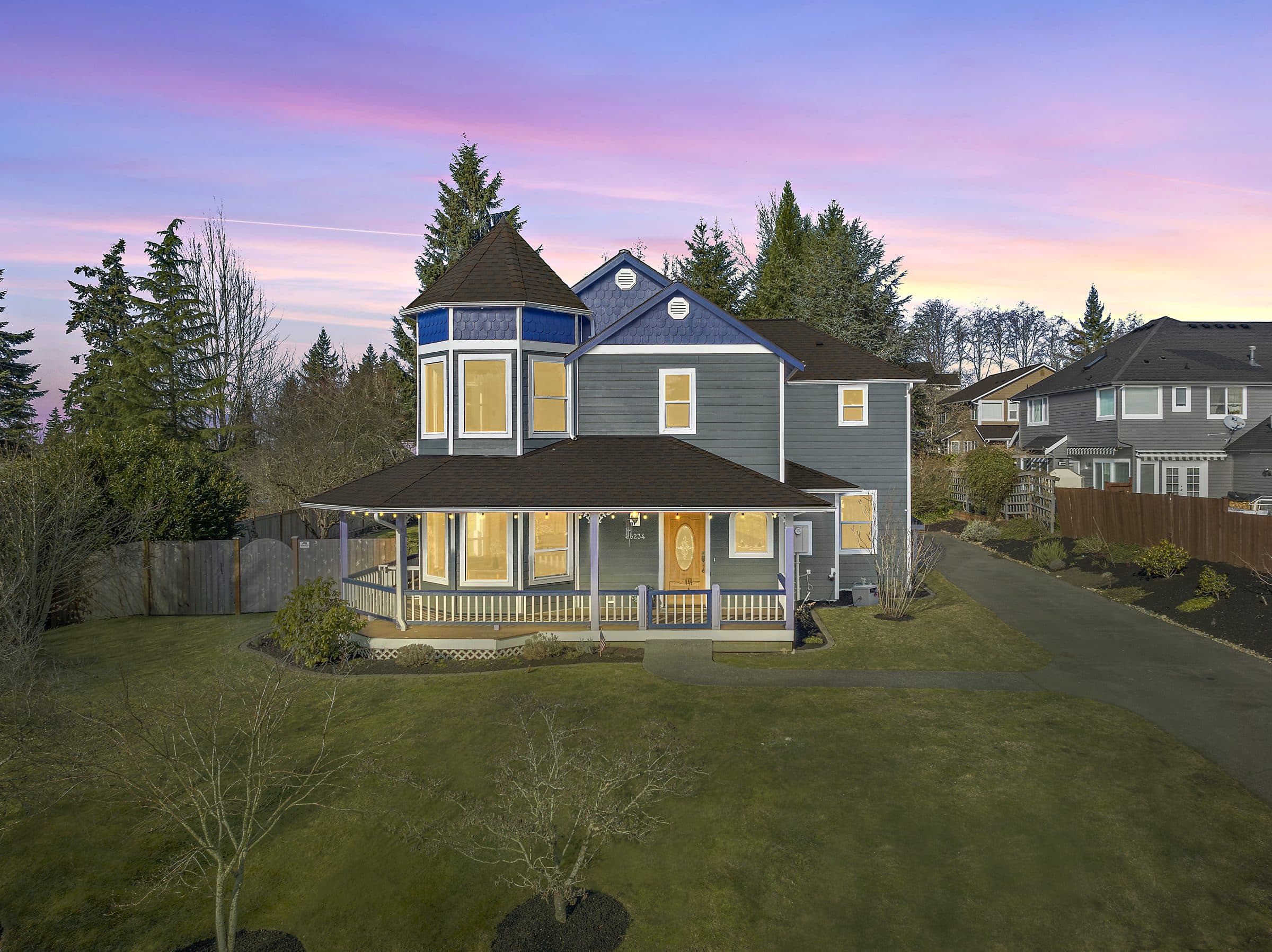
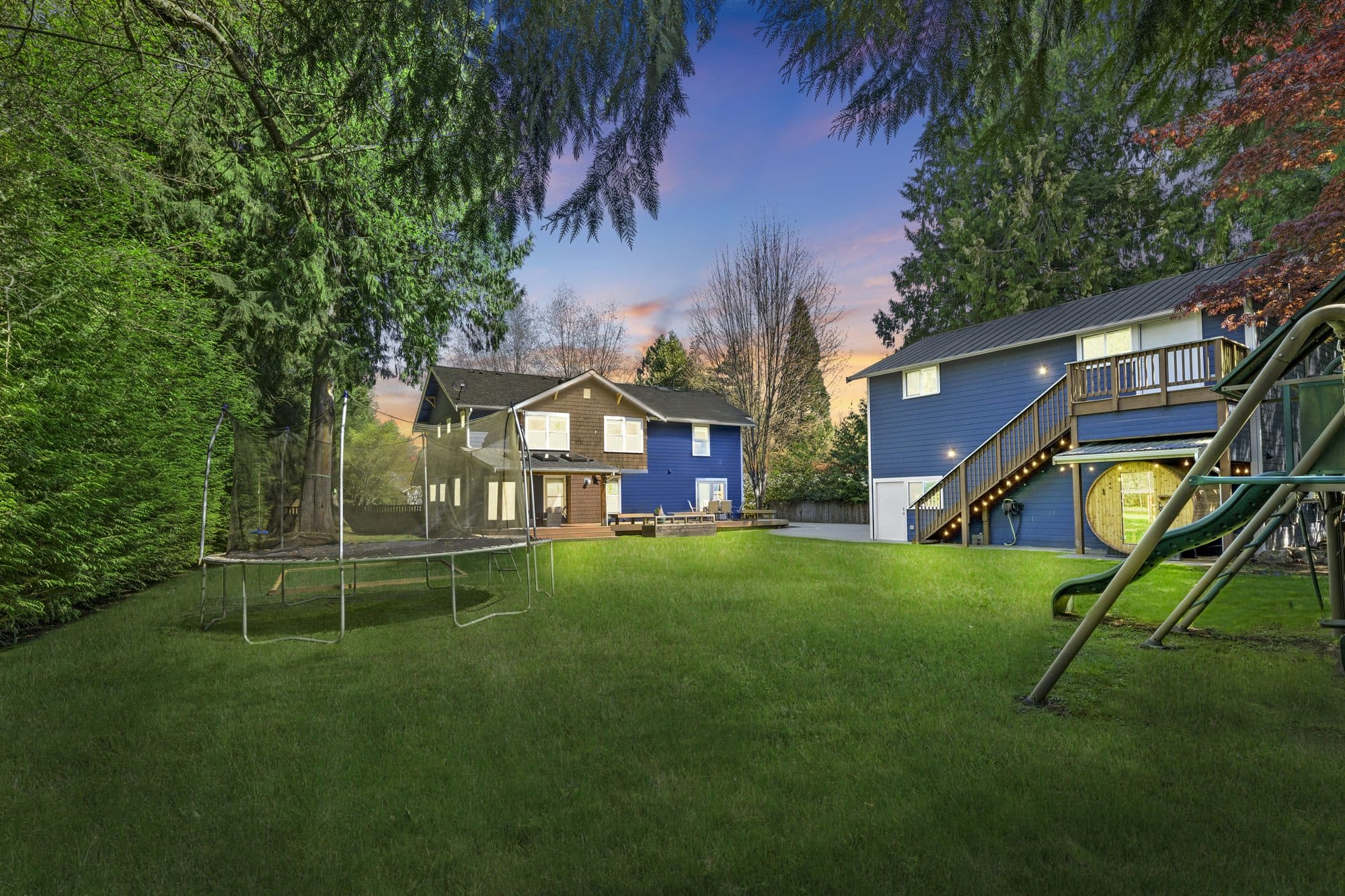
I recently worked an estate sale in Snohomish County that took multiple years from start to finish. It was one of those deals that tested every skill I have, and a few I had to develop along the way. If you're searching for an estate sale real estate agent in Washington, this is the kind of experience I think you should know about before you hire anyone.
What Actually Is an Estate Sale in Real Estate?
Let me clear something up first, because this term gets confusing. When most people hear "estate sale," they think of the big garage sale where everything in the house gets priced with little stickers and strangers walk through buying dishes and furniture. That's one meaning of the phrase, and it's part of the process, but it's not what I'm talking about here.
In real estate, an estate sale refers to selling a property that belonged to someone who has passed away. The home is typically being sold by the heirs, the executor of the estate, or a personal representative appointed by the court. Sometimes the seller is a trust. Sometimes it's a family member who inherited the property and needs to liquidate it.
The key difference between an estate sale and a regular home sale? Almost everything.
The decision-maker might be dealing with grief. There could be multiple heirs who don't agree on what to do. The property might have deferred maintenance because the owner was elderly or ill in their final years. Title might be complicated by probate proceedings. And the timeline is almost never fast, because courts, families, and emotions don't move on a real estate schedule.
That's the reality. And it's why you can't just hand this kind of sale to any agent with a license and expect it to go smoothly.
How Is Selling an Inherited Property Different From a Regular Home Sale?
I get this question a lot, so let me break it down.
The emotional weight is different. When you're selling your own home because you got a new job or your kids moved out, it's a transition. It might be bittersweet, but it's your choice. When you're selling a parent's home (or a grandparent's, or a sibling's), you're often doing it while grieving. Every room has memories. Every closet has stories. Clearing out that house isn't just logistics; it's saying goodbye in a very physical way.
I don't rush that. I've had clients who needed months just to get to the point where they could start sorting through personal property. That's not a delay; that's the process.
The legal process is different. If the property is going through probate in Washington state, there are specific steps that have to happen before you can sell. The court needs to appoint a personal representative. That person needs legal authority to list and sell the property. Depending on the type of probate (supervised vs. unsupervised), you might need court approval before accepting an offer. This is not something you can shortcut, and an agent who doesn't understand Washington probate law is going to cause problems, not solve them.
The property condition is different. I say this with genuine compassion: when someone has been living in a home for 30 or 40 years, and especially when their health declined in the last few years, the house often needs work. Deferred maintenance is almost always part of the picture. Outdated systems, cosmetic issues, sometimes structural concerns that were never addressed. The question becomes: do you invest in repairs before listing, or do you sell as-is? That decision depends on the property, the market, and the family's financial situation, and it's one of the most important conversations I have with estate sale clients.
The decision-making is different. On a regular sale, I'm usually working with one person or a couple. On an estate sale, I might be coordinating with three siblings, an attorney, and a personal representative. Everyone has opinions. Not everyone agrees. My job is to give them the information they need to make good decisions together, and to be patient when those decisions take time.
What Happened With This Estate Sale in Snohomish County?
So here's the story, with names and identifying details changed for privacy.
I was contacted by a family dealing with the estate of a loved one who had passed away. The property was in Snohomish County, and the family was spread out; not everyone was local to Washington. The home had been in the family for a long time, and there was a lot of emotional attachment to it.
The first thing I did was listen. Not pitch. Not strategize. Just listen to what they were going through and what they needed from me.
Here's what made this one complicated:
The probate process took time. Washington state probate can move at different speeds depending on the complexity of the estate, whether there's a will, and how the court's calendar looks. In this case, it wasn't a quick process. I stayed in contact with the family and their attorney throughout, so that when the clearance came to list, everything was ready to go.
The family needed time to clear the property. This is the part that a lot of agents don't handle well. When a house is full of decades of someone's personal belongings, you can't just call a junk removal company and have it emptied by Tuesday. Some items have sentimental value. Some have financial value. Some need to go to specific family members. The sorting process is emotional and slow, and pressuring a family to speed it up is, honestly, one of the worst things an agent can do.
I helped connect them with resources for estate cleanout services and gave them a realistic timeline for when the property would need to be ready. Then I stepped back and let them handle it at their pace.
The property needed decisions about repairs. This is where my experience with estate sales really came into play. The home had the kind of deferred maintenance you'd expect from a property where the owner had been aging in place for many years. Some things needed to be fixed for safety and code compliance. Other things were cosmetic and could go either way.
I walked through the property with the family and gave them a straightforward assessment: here's what I think you should fix, here's what you can skip, and here's how each decision affects your bottom line. No sugar-coating, but also no pressure. They made their decisions, and I respected them.
The multi-year timeline required patience. This is the part that would make a lot of agents walk away. From the first conversation to closing day, this deal spanned multiple years. There were periods of activity and periods where nothing was happening because the family was working through probate, clearing the property, or making decisions. During those quiet periods, I stayed in touch. I provided market updates so they could see how Snohomish County pricing was trending. I answered questions when they came up. I didn't disappear, and I didn't pressure them.
When the property finally listed, it was ready. The family was ready. And the outcome reflected the patience and preparation that went into it.
What Should You Look for in an Estate Sale Real Estate Agent in Washington?
If you're in this situation right now, searching for someone to help you sell an inherited property in Washington state, here's what I think matters most.
Look for patience, not just experience. Any agent can tell you they've handled estate sales. Fewer agents can actually handle the pace. Estate sales don't move on a typical real estate timeline, and you need someone who's genuinely okay with that. If an agent is pushing you to list before you're ready, that's a red flag.
Look for someone who understands probate. Washington state probate has specific requirements that affect how and when a property can be sold. Your agent doesn't need to be a lawyer, but they need to understand the process well enough to coordinate with your attorney and not create legal complications.
Look for empathy, not just efficiency. This is a hard time. You're grieving, you're dealing with legal processes, you're making decisions about a home that means something to your family. You need an agent who gets that. Someone who will listen before they strategize. Someone who won't treat your parent's home like just another listing.
Look for someone with a network. Estate sales often require coordination with probate attorneys, estate cleanout services, contractors, title companies that handle estate transactions, and sometimes financial advisors or accountants. An agent who can connect you with these professionals saves you a tremendous amount of time and stress.
Look for communication skills. When a deal takes months or years, communication is everything. You need someone who will keep you updated even when there's nothing new to report. "Nothing has changed this week, but here's what I'm watching" is a perfectly valid update, and it's way better than silence.
What Are the Practical Steps for Selling an Estate Property in Washington State?
Okay, let me give you a practical roadmap. Every estate sale is different, but most of them follow a version of this sequence.
Step 1: Establish legal authority to sell. This usually means going through probate or establishing that the property is held in a trust. Work with a probate attorney. This is not optional.
Step 2: Assess the property. Before you make any decisions about listing, get a clear picture of the property's condition. I do a thorough walkthrough with my estate sale clients and identify what needs attention.
Step 3: Clear personal property. This takes as long as it takes. Hire an estate sale company if the volume is large. Keep what matters, donate what you can, and be gentle with yourself through this process.
Step 4: Make repair and prep decisions. Based on the property assessment and current market conditions, decide what to fix and what to leave. I give clients my honest recommendation, but the decision is always theirs.
Step 5: Price it based on current market data. Not what you think it's worth. Not what Zillow says. Actual comparable sales in the area, adjusted for the property's condition. In Snohomish County, and really anywhere in Washington, pricing an estate property correctly from the start is critical. Overpricing and then reducing later costs you time and buyer interest.
Step 6: List, market, and negotiate. This part looks more like a traditional listing, but with the added complexity of estate-specific disclosures and, in some cases, court approval of the final sale.
Step 7: Close with clear title. Estate transactions can have title complications that regular sales don't. A title company experienced with estate and probate transactions is essential.
Why Does a Multi-Year Timeline Happen, and Is That Normal?
Honestly? Yes. It's more common than most people realize.
Probate itself can take six months to a year in Washington state, and that's assuming everything goes smoothly. Add in family decision-making time, property cleanout, repairs, and the actual listing period, and you're easily looking at a year or more from start to finish. Some estate sales take two or three years. I've seen it.
The multi-year timeline on the Snohomish County deal wasn't a failure. It was the natural pace of a complicated situation handled with care. Every delay had a reason, and every pause gave the family space to make decisions they could live with.
If an agent tells you an estate sale should move fast, I'd ask them how many they've actually handled. Speed is great when it's appropriate. On estate sales, it rarely is.
Do I Only Work in Pierce County?
I'm based in Pierce County. That's my home turf. Tacoma, Bonney Lake, Puyallup, Gig Harbor, and the surrounding areas are where I do most of my business. But I'm licensed across Washington state, and I take on work outside of Pierce County when the situation calls for it.
The Snohomish County estate sale is a perfect example. The family reached out because they needed an agent who understood estate sales specifically, not just someone who happened to be local to the property. I was the right fit for the deal, and the geography worked out fine.
So if you're dealing with an estate property anywhere in Washington state (Pierce County, Snohomish County, King County, Thurston County, or beyond), I'm happy to have a conversation about whether I'm the right agent for your situation.
What I Learned From This Deal
Every deal teaches me something. The quick closes teach me that my systems work. The long, complicated ones teach me who I am when things get hard.
This estate sale in Snohomish County reinforced something I already believed but hadn't been tested on quite this thoroughly: the most important thing an estate sale agent can do is stay present without applying pressure. These families are going through one of the hardest experiences of their lives. They don't need someone pushing them to hurry up and list. They need someone who will be there when they're ready, with a plan that makes sense and the patience to execute it on their timeline.
I also learned that communication over long timelines takes real discipline. It's easy to stay in touch with a client when things are moving. It's harder when nothing is happening for weeks or months at a time. But that's exactly when your client needs to hear from you, because silence feels like being forgotten.
And I learned, again, that every estate sale is a story about a family. The property is just the setting. The real work is helping people navigate a transition that touches everything: grief, family dynamics, money, memories, and the future. If you can hold all of that with care, the real estate part falls into place.
Ready to Talk About an Estate Property?
If you're dealing with an inherited property in Washington state and you're not sure where to start, I'm here. No pitch, no pressure. Just an honest conversation about your situation and what your options look like.
I'm Becca Pitts with eXp Realty LLC, SRES certified, and I specialize in helping families navigate real estate during life's biggest transitions. You can reach me at becca@yournextstepteam.com or call me at 253.678.7089.
Your next step starts here.
Rebecca Pitts is a licensed real estate broker in Washington State, affiliated with eXp Realty LLC. License #107351. eXp Realty LLC is a licensed Washington real estate firm. Equal Housing Opportunity.